On 26 December, the 2025 "Artistic New Works • Winter Warmth Theme Screening and Art Film Creation Exchange" concluded successfully in Hangzhou. Nearly one hundred representatives—including experts, scholars, film creators, and members of Zhejiang's film industry alongside university faculty and students—gathered at the Broadcasting Hall of Zhejiang University's School of Media and International Culture.
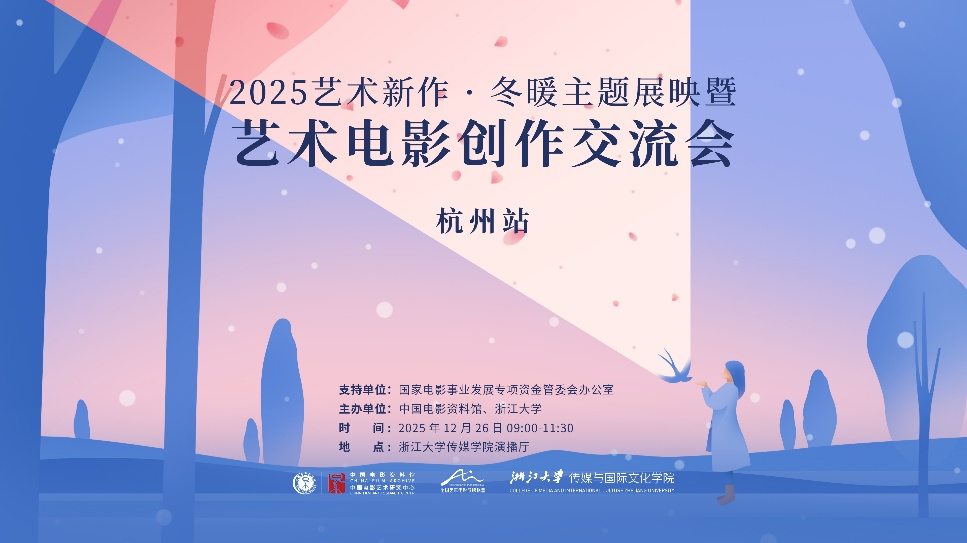
Winter Warmth Theme Exhibition Main Visual
In her address, Zhang Xuxia, Deputy Party Secretary of the China Film Archive, remarked that Hangzhou, as the heartland of Wu-Yue culture, serves not only as an exceptional location for film production but also nurtures an inclusive artistic environment. The National Art Film Alliance's thematic screenings have frequently featured Hangzhou. During this year's "Mirror of Time" and "Lamp of Images" exhibitions, the city's audience demonstrated remarkable enthusiasm and discernment. Impressive box office contributions and consistently sold-out screenings attest to Hangzhou's profound cinematic heritage and vibrant market vitality. She expressed hope that this exchange would further invigorate Hangzhou's film-making momentum, injecting fresh vitality into the creation and development of domestic art films.
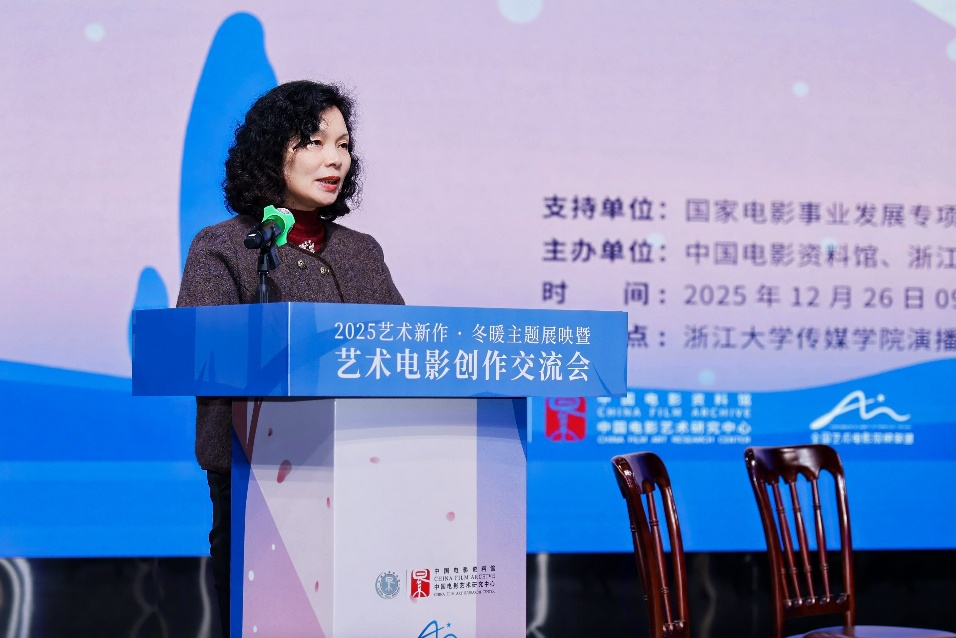
Zhang Xuxia, Deputy Party Secretary of the China Film Archive
In her address, Professor Zhao Yu, Party Secretary and Vice Dean of the School of Media and International Culture at Zhejiang University, stated that art films and documentaries serve as the "visual diaries" of our era, acting as bridges connecting reality with the human spirit. This exchange event allows the humanistic warmth of art cinema to converge with the century-old academic heritage of Zhejiang University. She expressed hope that this event would serve as a starting point to further bridge the gap between university talent cultivation and film industry practice, jointly nurturing more film professionals who "understand art, possess warmth, and connect with the grassroots." This collaboration aims to bolster Zhejiang's development as a national hub for the film and television industry.
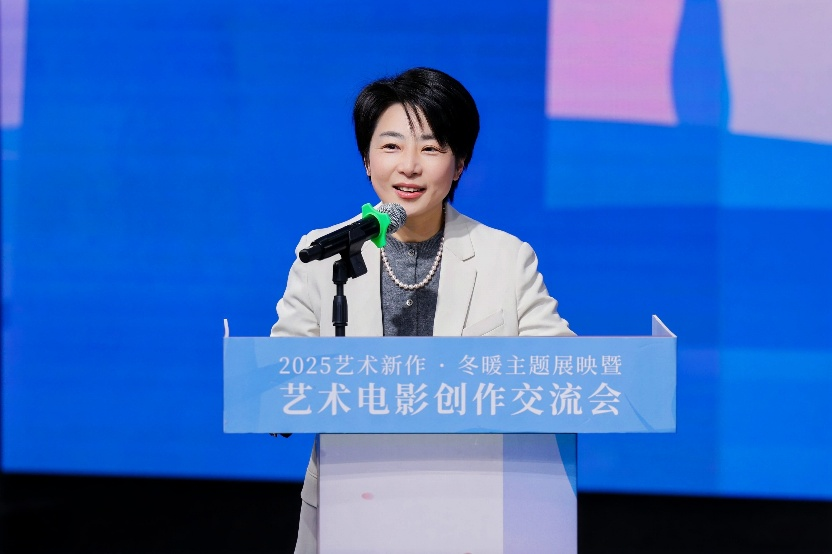
Zhao Yu, Party Secretary and Vice Dean of the School of Media and International Culture, Zhejiang University, Professor
Subsequently, Fan Zhizhong, Dean of the Institute of International Film and Television Development, Zhejiang University, Professor; Chen Lingzhen, Chief Executive Officer of CNEX, Professor at the China Academy of Art Film School and Vice Dean of the China Film Academy of Advanced Studies; Du Haibin, Curator of the West Lake International Documentary Festival, Professor at the China Academy of Art Film School and documentary director; Pan Zhiqi, Director of 24th Street and Auntie Hu's Garden; Zheng Quan, Producer of Grandparents' Stories; and Zhu Xin, Director of When the World Dawns and Under the Phoenix Mountain: Ci. Experts, scholars, and film creators engaged in an in-depth exchange on documentary creation. Zuo Heng, Director of the Cultural Research Department at the China Film Art Research Centre, chaired this creative exchange session.
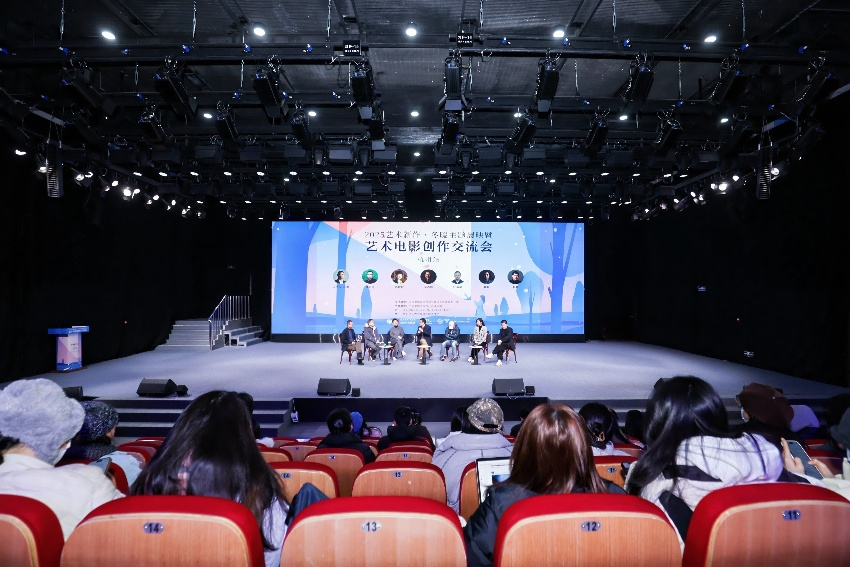
Hangzhou Station Exchange Event Site
Fan Zhizhong summarised the status and developmental state of documentary film within cinema by examining its two primary functions—documentary and fictional—and its two major barriers—technical expertise and funding. Documentary film constitutes both the bedrock of visual storytelling and its highest creative achievement. Among cinema's myriad genres, documentary production alone represents an irreproducible 'encounter'. He further emphasised that within the context of emerging intelligent media, the authentic portrayal and profound emotional resonance of documentary film will never be supplanted by artificial intelligence.
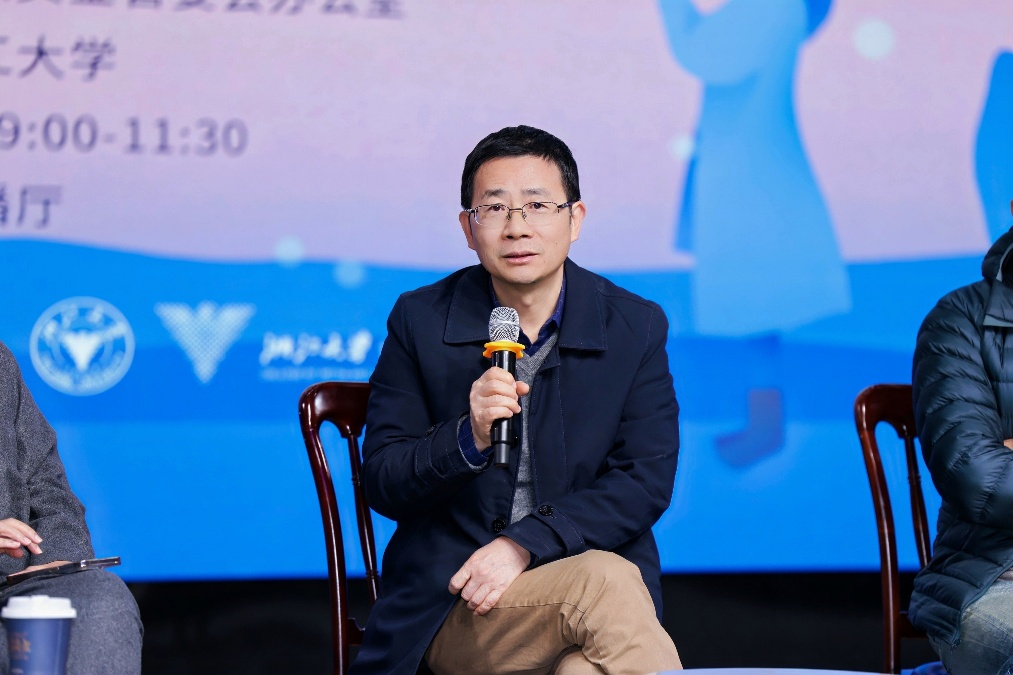
Fan Zhizhong, Director and Professor of the International Film and Television Development Institute, Zhejiang University
How do documentaries reach their audience? Chen Lingzhen shared insights from over two decades of professional experience. Firstly, she posited that documentary creation operates in a cycle: why I film, why they watch, and what benefits it brings them. She further emphasised that enduring works resonate through genuine emotion, while expanding horizons through novel knowledge and perspectives. "Documentaries can take us to places we cannot reach and introduce us to people we have never met." Moreover, she advocates treating international film festivals as launchpads for documentary dissemination, seeking potential partners and audiences to help these films reach deeper and wider.
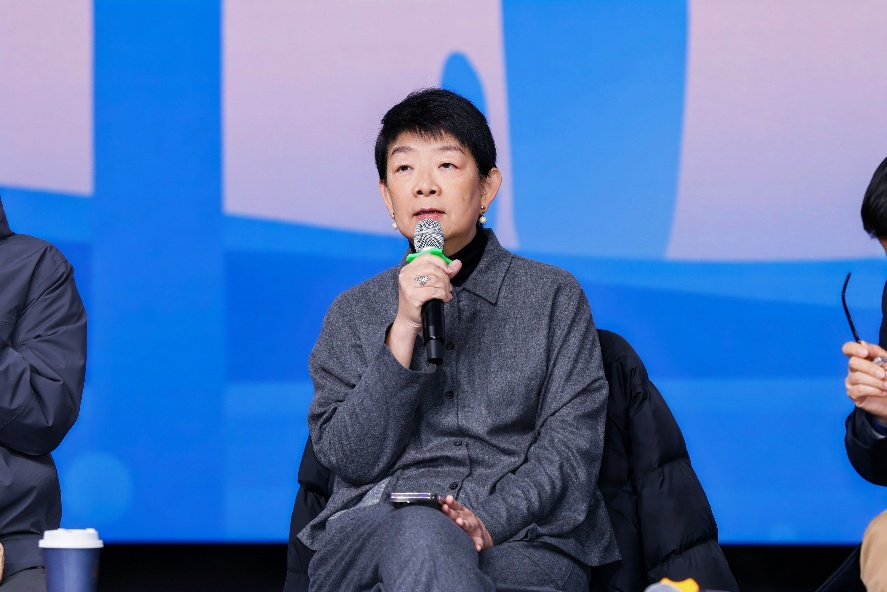
CNEX Vision Chief Executive Officer, Professor at the China Academy of Art and Vice Dean of the China Film Academy of Advanced Studies, Chen Lingzhen
Du Haibin shared an encouraging trend: Chinese youth are demonstrating markedly heightened enthusiasm and engagement with documentary filmmaking. He noted that the West Lake International Documentary Festival annually receives numerous submissions from young professionals within China, with their subject matter expanding to encompass international perspectives. Concurrently, a growing number of returnees from overseas studies are now engaging in professional creative work. How might we nurture the next generation of filmmakers? Du Haibin advocates approaching the future with openness. In his view, confronting the "uncertainty" ahead demands that emerging filmmakers cultivate robust innovative capabilities alongside the capacity to integrate with the era and technological advancements.
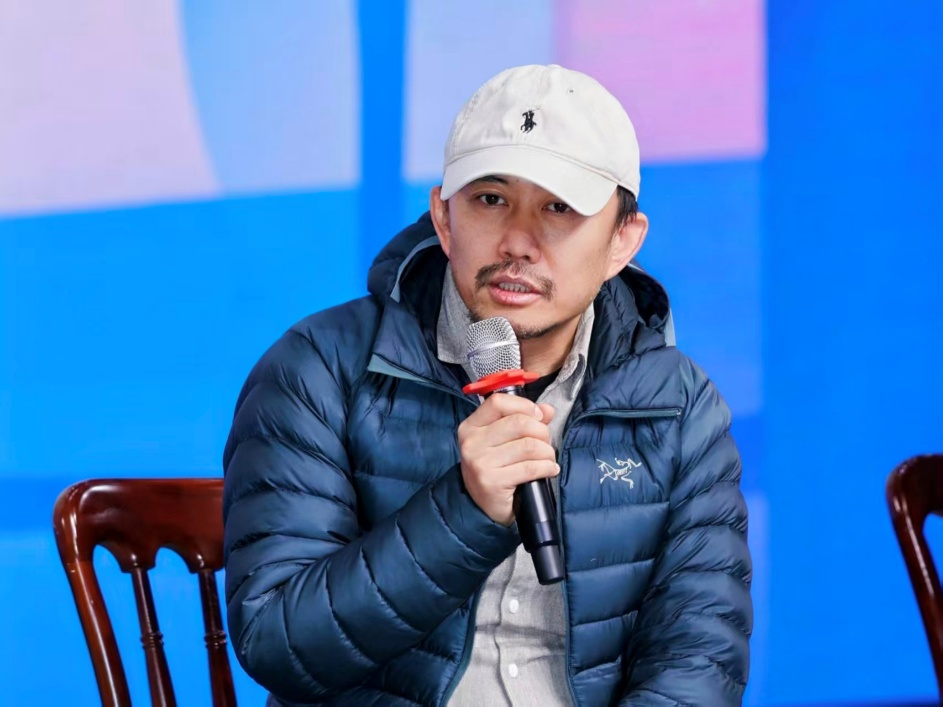
Du Haibin, Curator of the West Lake International Documentary Festival, Professor at the China Academy of Art, and Documentary Director
Pan Zhiqi maintains that documentary constitutes both a cinematic form and the most accessible means of realising cinematic ideals, owing to its exceptional capacity for cost control and pacing. Drawing upon his own creative experience, he addressed issues concerning documentary funding, technology, and production. He further emphasised the critical importance of teamwork in the documentary-making process, noting that solitary creation risks disorientation, while extended shoots spanning several years can induce fatigue. The subsequent involvement of a production team, he observed, offers an alternative perspective that better facilitates the story's resonance with audiences.
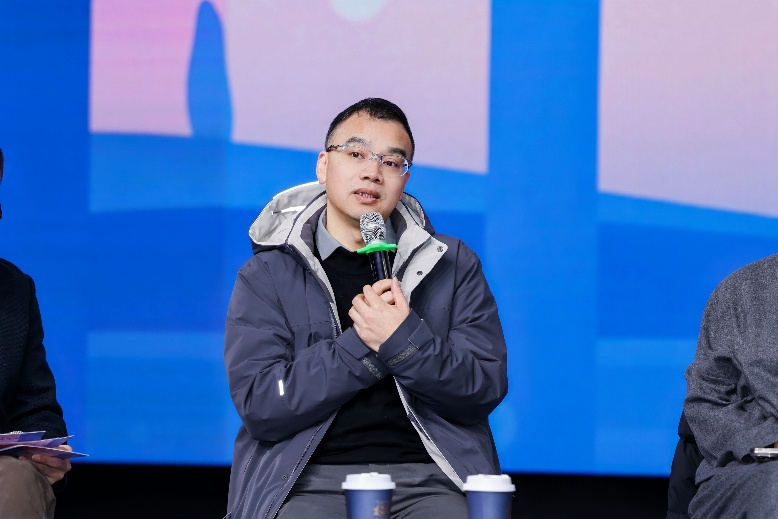
Documentary Director Pan Zhiqi
As a producer, Zheng Quan believes that "the content of a documentary film being seen may be more valuable than the director's creative freedom." Taking Grandparents' Stories as an example, she detailed the film's journey from private footage to public screening, and how to strike a balance between personal expression and audience reception. She also shared differing responses from domestic and international audiences: Western viewers approached it like Avatar, perceiving it as "a presentation of an unconventional worldview"; domestic audiences, particularly younger viewers, focused on the theme of elderly divorce.
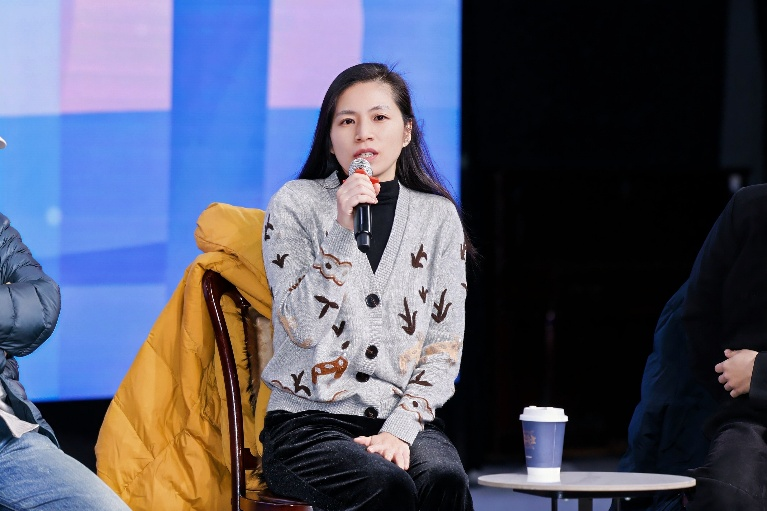
Producer Zheng Quan
Post-95s director Zhu Xin elaborated on the passion, impulse and confusion driving his creative work. "Our generation sometimes feels disconnected from history." Thus, documentary became both an initial impulse and a pathway to engage with the real world. Regarding the bold statement in his documentary When the World Dawns that "the conflict with my mother was rehearsed," Zhu Xin clarified: "Rather than injecting fiction into documentary, it was a way to reclaim the authenticity I had witnessed, as such genuine events persistently unfolded alongside us."
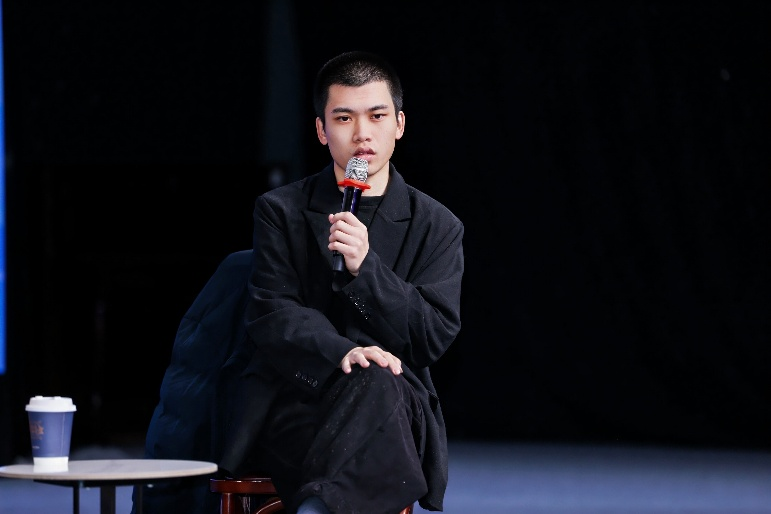
Documentary Director Zhu Xin
As the discussion deepened, the guests also looked ahead to how they might better support the future development of Chinese cinema. Fan Zhizhong outlined the sustained efforts and collaboration among Zhejiang's universities in cultivating film talent, enabling Zhejiang cinema to nurture a distinctive Jiangnan poetic sensibility and aesthetic character. Chen Lingzhen, drawing on the essence of human nature, offered young filmmakers the adage "Among three thousand weak waters, take but one ladleful" – urging them to focus on their own passions and embrace their own enthusiasm. Facing unprecedented transformation, "All filmmakers are post-95s—new cinematic voices born after 1895," remarked Zuo Heng wittily, encapsulating both the opportunities and challenges confronting China's film industry.
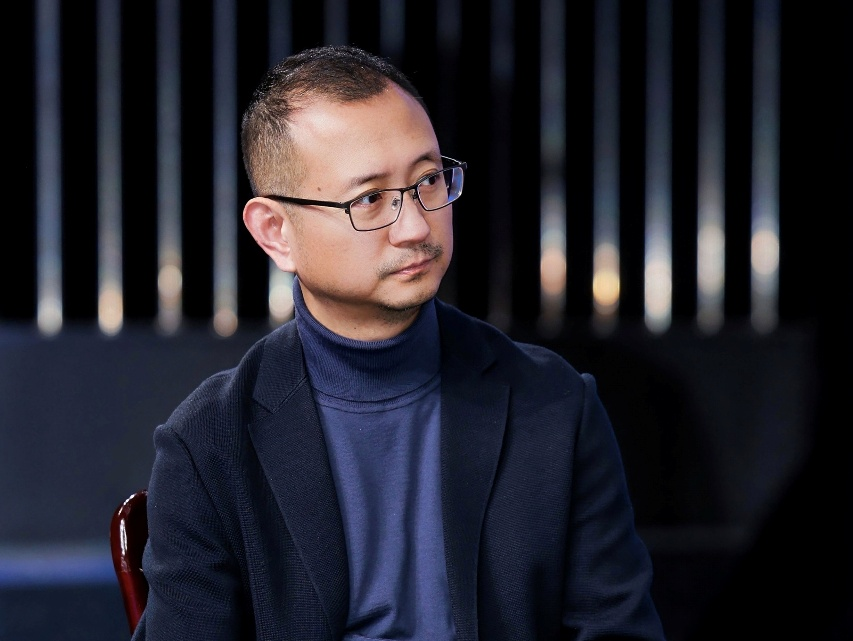
Zuo Heng, Director of the Cultural Research Department at the China Film Art Research Centre
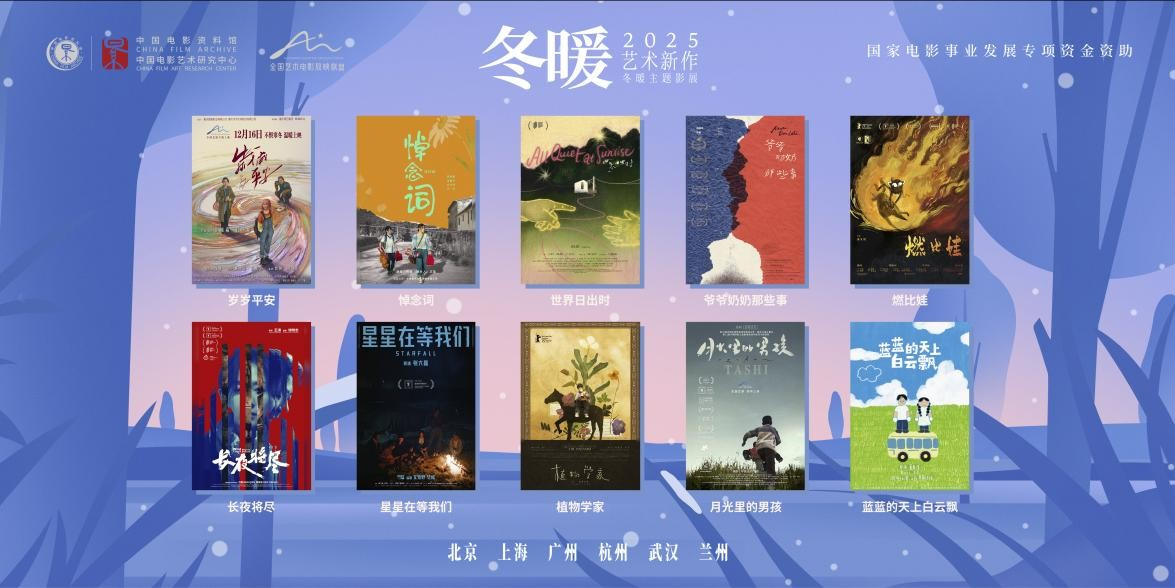
Commencing in Beijing on 3 December, the 2025 "Winter Warmth" themed film festival will span six cities: Beijing, Guangzhou, Wuhan, Lanzhou, Shanghai and Hangzhou. Ten outstanding domestic art films, including The Long Night Is Ending, The Botanist, The Stars Are Waiting for Us, The Boy in the Moonlight, White Clouds Drifting in the Blue Sky, Peace Every Year, Eulogy, When the World Dawns, Grandparents' Stories, and Burn, Baby Burn, were screened a cumulative total of 500 times. Concurrently, five creative exchange sessions and over 20 post-screening discussions were held.
Since its inception in 2017, the "New Artistic Works Film Festival" has become an annual flagship event for the National Art Film Alliance. It has screened nearly 100 outstanding domestic art films, attracting over 100,000 viewers, and facilitated the theatrical release of nearly 30 films including *The Moon in the Water*, *Cangshan*, *Dongshisiti*, and *All Rivers Run Eastward*.
This Hangzhou leg of the creative exchange sessions is organised by the China Film Archive and Zhejiang University, under the guidance of the Film Bureau of the Publicity Department of the CPC Central Committee and with support from the National Film Development Special Fund.